Pro Plumbing Secrets: How to Prevent Costly Water Damage and Extend the Life of Your Pipes
Need a Reliable Plumber?
Call Us NowYour home's plumbing system is largely invisible, running quietly behind drywall, under floors, and beneath your landscaping. Because it remains out of sight, most homeowners only think about their pipes when something goes catastrophically wrong. However, waiting for a disaster to strike is the most expensive way to manage your property.
By adopting a proactive approach, you can significantly extend the lifespan of your fixtures and prevent devastating water damage. Whether you live in a historic property near downtown Kirkland or a newer build on the Eastside, understanding how your plumbing operates gives you a distinct advantage. We have compiled the most effective, insider strategies that professional plumbers use to keep their own homes safe, dry, and efficient.
Short Answer
The most critical plumbing secret for homeowners is treating your system proactively rather than reactively. Knowing the exact location of your main water shutoff valve and replacing aging rubber appliance hoses with braided stainless steel are the two fastest ways to prevent catastrophic water damage. For routine maintenance, entirely abandon caustic chemical drain cleaners in favor of bio-enzymatic treatments to protect your pipe integrity. When operational tradeoffs arise between minor DIY fixture maintenance and complex valve replacements, always defer to professional services to guarantee compliance and prevent secondary property damage.
Tip 1: Master Your Main Water Shutoff Valve
When a pipe bursts or a fixture fails, every second counts. The difference between a minor cleanup and tens of thousands of dollars in water damage depends entirely on how fast you can stop the water flow. Surprisingly, many homeowners have no idea where their main water shutoff valve is located.
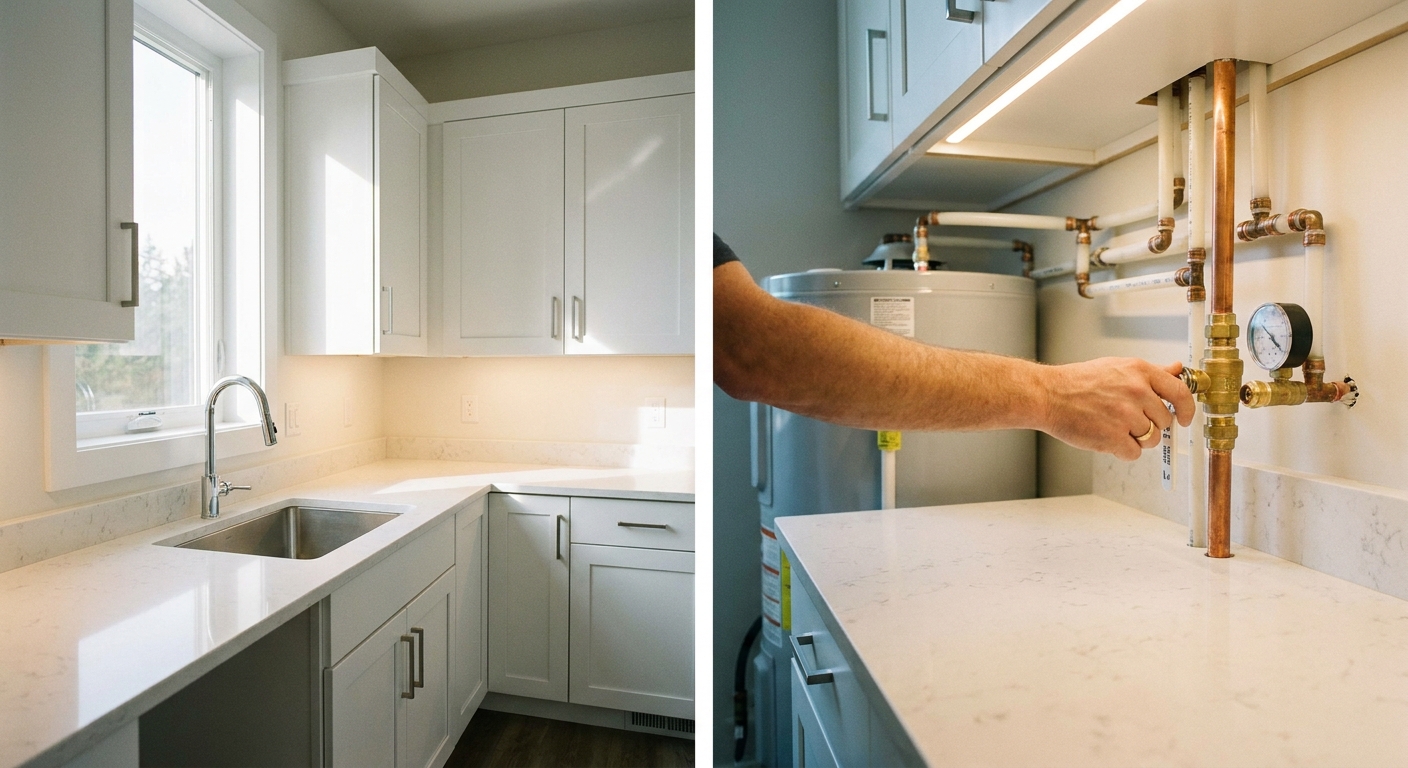
Locate your main shutoff valve today. In most Kirkland homes, it is typically found in the basement, crawlspace, garage, or utility closet near the water heater. Once you find it, test it to ensure it turns smoothly. If you have an older gate valve (which looks like a steering wheel), it may be prone to seizing or snapping if forced.
Rooter-Pal Plumbing, LLC highly recommends upgrading old gate valves to modern, quarter-turn ball valves. Ball valves are highly reliable, rarely seize, and allow you to shut off your water instantly with a simple 90-degree turn. Make sure every adult in your household knows exactly where this valve is and how to operate it in an emergency.
Tip 2: Upgrade to Braided Stainless Steel Hoses
Washing machine hoses are one of the leading causes of catastrophic indoor flooding. Standard rubber hoses degrade over time, becoming brittle and susceptible to bursting under constant water pressure. A burst washing machine hose can pump hundreds of gallons of water into your home in a matter of minutes.
The insider trick is to replace all rubber supply lines with braided stainless steel hoses. The stainless steel mesh exterior prevents the inner rubber tubing from expanding and rupturing, even under high pressure or water hammer conditions. This inexpensive upgrade provides incredible peace of mind.
Furthermore, you should replace these hoses every five to seven years, regardless of how they look on the outside. Internal degradation is impossible to see until it is too late. If your laundry room is located on a second floor, this preventative step is absolutely non-negotiable for protecting the living spaces below.
Tip 3: Ditch the Caustic Chemical Drain Cleaners
When faced with a slow drain, the immediate instinct for many homeowners is to pour a bottle of chemical drain cleaner down the sink. This is one of the most damaging mistakes you can make. Commercial drain chemicals rely on extreme exothermic reactions to dissolve clogs, which generates intense heat inside your pipes.
This heat can warp or melt modern PVC piping and accelerate corrosion in older cast iron pipes common in historic Kirkland homes. Furthermore, these chemicals rarely clear the entire blockage. They typically burn a small hole through the clog, allowing water to drain temporarily while leaving the bulk of the obstruction intact.
Instead of harsh chemicals, our team at Rooter-Pal Plumbing, LLC has found that mechanical removal is always superior. For minor clogs, use a standard sink plunger or a manual hand auger. For ongoing maintenance, utilize bio-enzymatic drain cleaners. These natural bacteria-based solutions safely eat away organic buildup over time without harming your plumbing infrastructure.
Tip 4: Exercise Your Supply Valves Regularly
Beneath every sink and behind every toilet in your home, you will find small shutoff valves known as angle stops. These valves allow you to isolate water to a specific fixture without shutting off the entire house. However, because they are rarely used, the internal washers often dry out and the mineral deposits lock the valves in place.
Plumbers refer to turning these valves as "exercising" them. Twice a year, gently turn every angle stop in your home off and back on again. This simple motion breaks up scale buildup and keeps the internal mechanisms moving freely.
If you attempt to turn a valve and it feels completely stuck, do not force it. Forcing a seized valve will often cause the stem to snap, resulting in an immediate, uncontrolled leak. If your valves are frozen, contact Rooter-Pal Plumbing, LLC to have them safely replaced with modern quarter-turn alternatives.
Tip 5: Utilize the Water Meter Leak Test
Hidden leaks behind drywall or beneath your foundation can waste thousands of gallons of water and cause structural rot before they ever become visible. Fortunately, your home's water meter is a highly sensitive diagnostic tool. You can use it to perform a definitive test for silent leaks.
Follow this step-by-step process to test your system: 1. Turn off all water-consuming appliances and fixtures inside and outside your home. 2. Locate your water meter, typically found in a concrete box near the street or sidewalk. 3. Look for the low-flow indicator on the meter face (often a small red or black triangle or a spinning gear). 4. If the indicator is moving while no water is being used, you have an active leak. 5. If the indicator is still, write down the exact meter reading and wait two hours without using any water. 6. Check the reading again; if the numbers have increased, you have a slow, hidden leak.
If you confirm a hidden leak, do not attempt to tear open your walls to find it. Professional plumbers use acoustic listening devices and thermal imaging to pinpoint leaks non-destructively. Give us a call immediately to track down the source and mitigate the damage.
Tip 6: Revitalize Fixtures with White Vinegar
Over time, you may notice the water pressure dropping in your bathroom sinks or showerheads. Before you assume you have a major pressure issue or need to buy expensive replacement fixtures, look at the aerators. Kirkland's water can leave mineral deposits and scale buildup that clogs the fine mesh screens inside your faucets.
You can easily dissolve this scale using standard white vinegar. For showerheads, fill a plastic bag with white vinegar, submerge the showerhead inside the bag, and secure it with a rubber band. Leave it to soak overnight. The mild acetic acid will safely dissolve the calcium carbonate deposits.
For sink faucets, simply unscrew the aerator at the tip of the spout and drop it into a small bowl of vinegar for a few hours. Rinse it thoroughly and screw it back on. You will likely see an immediate restoration of full, even water flow, saving you the cost of a service call for a simple maintenance task.
Tip 7: Deploy Strategic Water Alarms
Technology has made protecting your home easier and more affordable than ever. Smart water leak detectors are small, battery-operated devices that sound a loud alarm—and often send an alert to your smartphone—the moment they detect moisture.
Strategic placement is key to their effectiveness. You should place these inexpensive alarms in high-risk zones where leaks frequently go unnoticed. Slide one under your dishwasher, place another behind your washing machine, and set one in the pan beneath your water heater.
Catching a leak in the first five minutes versus the first five hours changes the entire outcome of the situation. By the time water seeps out from under your kitchen cabinets to become visible on the floor, the subfloor and cabinetry have already absorbed significant damage. Early detection is your best defense against expensive restoration work.
Operational Tradeoffs: DIY Fixes vs. Professional Plumbing Services
One of the most important skills for a homeowner is knowing where to draw the line between a weekend DIY project and a professional plumbing intervention. Attempting complex repairs without the proper licensing, tools, or expertise often results in code violations and exacerbated damage. You must weigh the operational tradeoffs of cost savings against liability and structural risk.
Appropriate DIY tasks include plunging minor sink clogs, cleaning aerators, swapping out accessible appliance hoses, and replacing showerheads. These tasks carry very low risk. If you make a mistake, you can simply turn off the localized valve and try again. They require minimal tools and do not alter the permanent infrastructure of your home.
Conversely, you should always hire a professional for tasks involving the main water line, sewer line repairs, valve replacements behind walls, or anything requiring a torch. Rooter-Pal Plumbing, LLC ensures that all pipe modifications meet local Kirkland building codes and are guaranteed against failure. If a DIY pipe soldering job fails while you are at work, your homeowner's insurance may dispute the claim due to unlicensed workmanship.
Preventative Maintenance Guidance: Your Routine Checklist
Consistency is the secret to a long-lasting plumbing system. Implementing a routine maintenance schedule allows you to catch minor wear and tear before it escalates into a plumbing emergency. Keep this checklist handy and integrate it into your seasonal home care routine.
Key preventative maintenance tasks include: Monthly: Inspect the cabinet floors under all sinks for dampness, warping, or dark stains. Monthly: Check the caulking around your bathtubs and showers for cracks or peeling, which can let water seep into the framing. Semi-Annually: Exercise all angle stop valves to ensure they remain functional. Annually: Perform the water meter leak test to verify the integrity of your hidden pipes. Annually:* Have a professional inspect your entire system, including pressure regulators and exposed piping in crawlspaces.
Following this straightforward checklist requires minimal time but provides maximum protection for your property investment.
Cost-Saving Strategies: Lowering Your Kirkland Water Bill
Beyond preventing damage, smart plumbing habits can significantly reduce your monthly utility expenses. Water rates in the Eastside area make conservation a financially sound strategy for any household. Small adjustments yield substantial long-term savings.
Consider these practical cost-saving strategies: Fix Drips Immediately: A faucet dripping at a rate of one drop per second wastes over 3,000 gallons of water per year. Replacing a worn cartridge or O-ring pays for itself in utility savings rapidly. Upgrade to Low-Flow: Install WaterSense-labeled showerheads and faucet aerators. They use up to 20% less water without sacrificing performance or pressure. Insulate Exposed Pipes:* Wrap exposed hot water pipes in your basement or crawlspace with foam insulation sleeves. This prevents heat loss, meaning you won't have to run the tap as long to get hot water, saving both water and the energy used to heat it.
Conclusion
Protecting your home's plumbing system does not require a master plumber's license, but it does require vigilance and proactive care. By mastering your shutoff valves, utilizing safe bio-enzymatic cleaners, upgrading vulnerable hoses, and monitoring your water meter, you can prevent the vast majority of plumbing disasters. These insider secrets empower you to maintain a safe, efficient, and dry home year-round.
While these tips will handle routine maintenance, some issues require an expert touch. When you encounter stubborn clogs, hidden leaks, or failing valves, do not hesitate to bring in the specialists. Our team at Rooter-Pal Plumbing, LLC is ready to provide top-tier, reliable service for your Kirkland property. Protect your investment and ensure your plumbing is operating flawlessly—give us a call today to schedule your professional inspection or service.