The Ultimate Guide to Silencing Banging Pipes and Water Hammer in Your Kirkland Home
Need a Reliable Plumber?
Call Us NowDoes your home sound like a construction zone every time the washing machine stops filling or the sprinkler system shuts off? Banging, clanking, and shuddering pipes are more than just an annoyance. They are an active cry for help from your plumbing infrastructure.
Many homeowners assume that noisy pipes are just a quirky feature of living in an older house. However, this alarming sound usually points to a destructive hydraulic phenomenon that can severely damage your plumbing system. When left unaddressed, the forces causing these noises can rupture pipe joints, destroy appliance valves, and lead to catastrophic indoor flooding.
In this comprehensive guide, we will explore exactly why your pipes are making a racket and outline the most effective ways to solve the problem. You will learn how to distinguish between a simple loose pipe and dangerous hydraulic shock. More importantly, you will discover actionable steps to protect your property and restore peace and quiet to your home.
Short Answer
Banging pipes are typically caused by water hammer (hydraulic shock) or excessively high municipal water pressure. When a fast-acting valve closes suddenly, rushing water slams into the closed valve, sending a destructive shockwave back through your pipes. The decisive fix requires installing water hammer arrestors at the affected appliances or installing a whole-house Pressure Reducing Valve (PRV) on your main water line. Ignoring this issue will eventually lead to blown pipe joints, damaged appliance solenoids, and costly water leaks. If your pipes bang consistently, you need immediate mechanical intervention to absorb that kinetic energy.
Understanding the Racket: What Causes Banging Pipes?
To solve a plumbing problem, you must first understand the physics behind it. Water is heavy, and when it moves rapidly through your home's water lines, it generates significant momentum. When that flow is abruptly halted, the kinetic energy has to go somewhere.
In a perfectly optimized plumbing system, this energy is absorbed safely. However, as homes age or municipal water dynamics change, systems lose their ability to handle these pressure spikes. The resulting noise is the physical manifestation of stress on your copper, galvanized, or PEX piping.
At Rooter-Pal Plumbing, LLC, we frequently respond to emergency leak calls that started as ignored pipe noises months earlier. Understanding the root cause is the first step in preventing a minor annoyance from becoming a major property damage claim.
The Anatomy of Hydraulic Shock (Water Hammer)
The most common cause of banging pipes is a condition known as water hammer. This phenomenon occurs specifically when water flow is shut off instantaneously.
Modern appliances utilize electronically controlled solenoid valves. When your washing machine, dishwasher, or refrigerator ice maker finishes filling, these valves snap shut in a fraction of a second. The rushing water crashes into the closed valve, creating a massive pressure spike that can exceed 300 PSI. This shockwave travels backward through the pipe, causing it to vibrate violently against the wooden framing of your house.
Older homes were often built with vertical "air chambers" designed to cushion this shock. Over time, these chambers become waterlogged and completely lose their effectiveness. Once the air cushion is gone, the full force of the water hammer impacts your plumbing infrastructure directly.
Recognizing the Symptoms: Diagnosing Your Noisy Pipes
Not all plumbing noises are created equal. Accurately diagnosing the sound will dictate the proper repair strategy. Here are the distinct signs you need to listen for:
The Single, Loud Bang: This happens immediately after a faucet is turned off or an appliance stops filling. This is the classic signature of water hammer. Continuous Rattling or Chattering: If the pipes vibrate continuously while the water is running, you likely have excessively high water pressure or a failing pressure reducing valve. Squeaking or Ticking Noises: These sounds usually occur when hot water is running. This is thermal expansion, where the hot water causes the pipe to expand and rub against the wooden joists. Gurgling from Drains: If the noise is coming from the drain rather than the supply lines, you are dealing with a venting issue or a partial blockage, not water hammer.
Identifying exactly when and where the noise occurs will help you and your plumbing professional pinpoint the exact failure point in the system.
The Hidden Dangers of Ignoring Plumbing Noise
Dismissing noisy pipes as a mere nuisance is a dangerous gamble. The shockwaves generated by water hammer are incredibly destructive to your home's infrastructure.
Every time that shockwave reverberates through your walls, it weakens the soldered joints in copper pipes and the threaded connections in galvanized lines. Over time, this repeated stress causes micro-fractures that eventually blow out, leading to sudden and severe water damage behind your drywall.
Furthermore, water hammer destroys the internal components of your expensive appliances. The delicate solenoid valves in your washing machine and dishwasher are not designed to withstand repeated 300 PSI impacts. Ignoring the banging will inevitably lead to premature appliance failure and voided warranties.
Operational Tradeoffs: Selecting the Best Repair Strategy
When addressing water hammer and high pressure, homeowners face a critical decision path. There are two primary mechanical solutions, each with distinct operational tradeoffs regarding cost, scope of protection, and installation complexity.
Option 1: Point-of-Use Water Hammer Arrestors
Water hammer arrestors are small, sealed cylinders containing a spring-loaded piston and an air bladder. They are installed directly onto the water supply valves behind specific appliances.
The Advantages: Arrestors are highly effective at neutralizing shockwaves at the source. They are relatively inexpensive and can often be installed without cutting into drywall, making them an excellent targeted solution for a noisy washing machine. The Tradeoffs: Arrestors only protect the localized area where they are installed. If your entire house suffers from high water pressure, installing an arrestor behind the washing machine will not protect your bathroom fixtures or your water heater. They treat the symptom, not the underlying systemic pressure issue.
Option 2: Whole-House Pressure Reducing Valve (PRV)
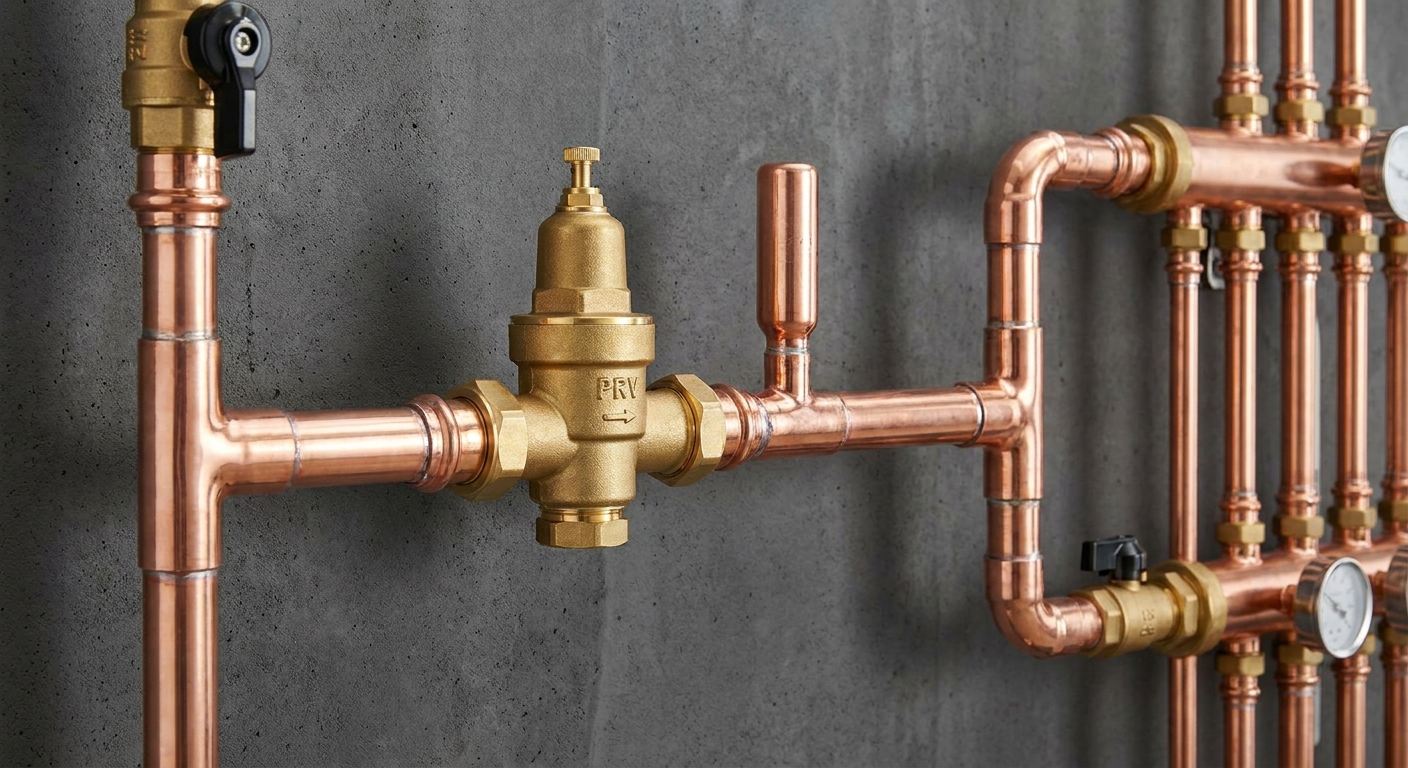
A PRV is a heavy-duty brass valve installed on your main water line before it branches out into your home. It mechanically reduces the incoming municipal water pressure to a safe, manageable level (typically 50-60 PSI).
The Advantages: A PRV provides comprehensive, whole-house protection. It eliminates continuous pipe rattling, extends the lifespan of every fixture in your home, and drastically reduces water consumption. For homes in hilly areas like Kirkland, WA, where municipal pressure fluctuates wildly, a PRV is often mandatory. The Tradeoffs: Installing a PRV requires professional expertise, as it involves shutting off the main water supply and cutting into the primary water line. It represents a higher initial investment compared to localized arrestors. Additionally, PRVs require an expansion tank on the water heater to handle thermal expansion safely.
Rooter-Pal Plumbing, LLC has found that the best approach depends entirely on your home's baseline water pressure. If your static pressure is normal but one appliance bangs, an arrestor is the right choice. If your static pressure exceeds 80 PSI, a PRV is the only responsible operational decision.
Step-by-Step DIY Diagnostics for Kirkland Homeowners
Before calling a professional, you can perform a few basic diagnostic steps to understand the severity of your plumbing issue. Follow this systematic approach:
1. Test the Static Water Pressure: Purchase a simple water pressure gauge with a hose thread connection from a local hardware store. Attach it to an unregulated outdoor hose bib or the drain valve on your water heater. Turn the water on fully and read the gauge. If it reads above 80 PSI, your home's pressure is dangerously high, and you need a PRV. 2. Isolate the Culprit: Run your appliances one by one. Start a load of laundry and listen carefully when the water stops. Run the dishwasher. Flush the toilets. Identify exactly which fixtures trigger the loudest banging. 3. Check for Loose Strapping: If you have unfinished areas in your basement or crawlspace, inspect the exposed water lines. Have someone flush a toilet upstairs while you watch the pipes. If you see the pipes physically jumping or swaying, the mounting straps have failed. 4. Drain the Air Chambers (For Older Homes): If your home was built before the 1990s, you might have traditional air chambers. Turn off your main water valve, open the highest faucet in your home, and then open the lowest faucet (like a basement sink or outdoor bib). Let all the water drain out. Close the lowest faucet and slowly turn the main water back on. This can temporarily replenish waterlogged air chambers.
Professional Solutions: When to Call the Experts
While diagnosing the issue is a great first step, permanently silencing noisy pipes usually requires professional intervention. The stakes are simply too high to rely on guesswork when dealing with pressurized water systems.
If your pressure gauge reads above 80 PSI, do not attempt to install a PRV yourself. Cutting into the main water line requires precise measurements, proper soldering or pressing tools, and a deep understanding of local plumbing codes. An improperly installed PRV can restrict flow to the point where you cannot run two fixtures simultaneously.
Similarly, if water hammer arrestors need to be installed behind finished drywall (such as for a shower valve), professional expertise is required. Our team at Rooter-Pal Plumbing, LLC specializes in minimizing drywall damage while securely integrating these vital safety devices into your existing copper or PEX lines.
We also evaluate the entire system holistically. Adding a PRV creates a "closed loop" plumbing system. We ensure that your water heater is equipped with a functioning thermal expansion tank to prevent pressure build-up when the water heats up.
Long-Term Prevention Strategies
Maintaining a quiet, leak-free plumbing system requires a proactive mindset. By staying ahead of pressure issues, you can avoid unexpected floods and costly repairs.
Annual Pressure Checks: Municipal water pressure can change as city infrastructure is updated. Check your home's water pressure once a year to ensure your PRV is still functioning correctly. PRVs typically fail every 7 to 12 years. Upgrade Old Supply Valves: If you are replacing a washing machine or dishwasher, take the opportunity to replace the old, crusty supply valves with modern quarter-turn ball valves that have integrated water hammer arrestors. Secure Exposed Lines: Whenever you are doing work in a basement or crawlspace, take a moment to inspect pipe hangers. Replace any rusted or broken straps with modern, insulated pipe clamps that allow for thermal expansion without rattling. Monitor Appliance Performance: Pay attention to how your appliances operate. If a washing machine suddenly starts shutting off much harsher than it used to, the internal solenoid may be failing, causing unnecessary hydraulic shock.
Conclusion: Silence Your Pipes Today
Banging, noisy pipes are a clear warning sign that your plumbing system is under severe mechanical stress. Whether the culprit is localized water hammer from a fast-acting appliance valve or systemic high pressure from the municipal supply, ignoring the racket will inevitably lead to ruptured pipes, damaged appliances, and expensive water damage.
By understanding the mechanics of hydraulic shock and recognizing the operational tradeoffs between point-of-use arrestors and whole-house pressure reducing valves, you can make informed decisions about your home's infrastructure. Don't wait for a minor annoyance to turn into a major plumbing disaster.
If you are tired of your pipes sounding like a drum line, it is time to bring in the local experts. The team at Rooter-Pal Plumbing, LLC has the diagnostic tools and field experience to pinpoint the exact cause of your plumbing noise and implement a permanent, code-compliant solution. Give us a call or reach out to our office today to schedule a comprehensive pressure evaluation for your Kirkland home.