The Ultimate FAQ Guide to Finding and Fixing Hidden Plumbing Leaks in Kirkland
Need a Reliable Plumber?
Call Us NowWater damage is one of the most destructive and expensive issues a property owner can face. In the Pacific Northwest, where moisture is already a constant battle, distinguishing between normal dampness and a hidden plumbing leak can be incredibly challenging. A small pinhole leak concealed behind your drywall or beneath your foundation can waste thousands of gallons of water, rot structural framing, and create severe health hazards through mold growth.
Whether you have noticed an inexplicable spike in your monthly utility bill or you smell a persistent musty odor in your hallway, acting quickly is critical. This comprehensive guide addresses the most pressing questions Kirkland homeowners and businesses have about hidden plumbing leaks. We will walk you through the early warning signs, the operational tradeoffs of different repair methods, and exactly when you need to call in the professionals.
Short Answer
If you suspect a hidden plumbing leak in your home or business, your immediate first step should be to locate and shut off your property's main water valve to prevent further damage. Do not attempt to break through drywall, tear up flooring, or excavate your yard based on guesswork, as this often causes unnecessary and expensive collateral damage.
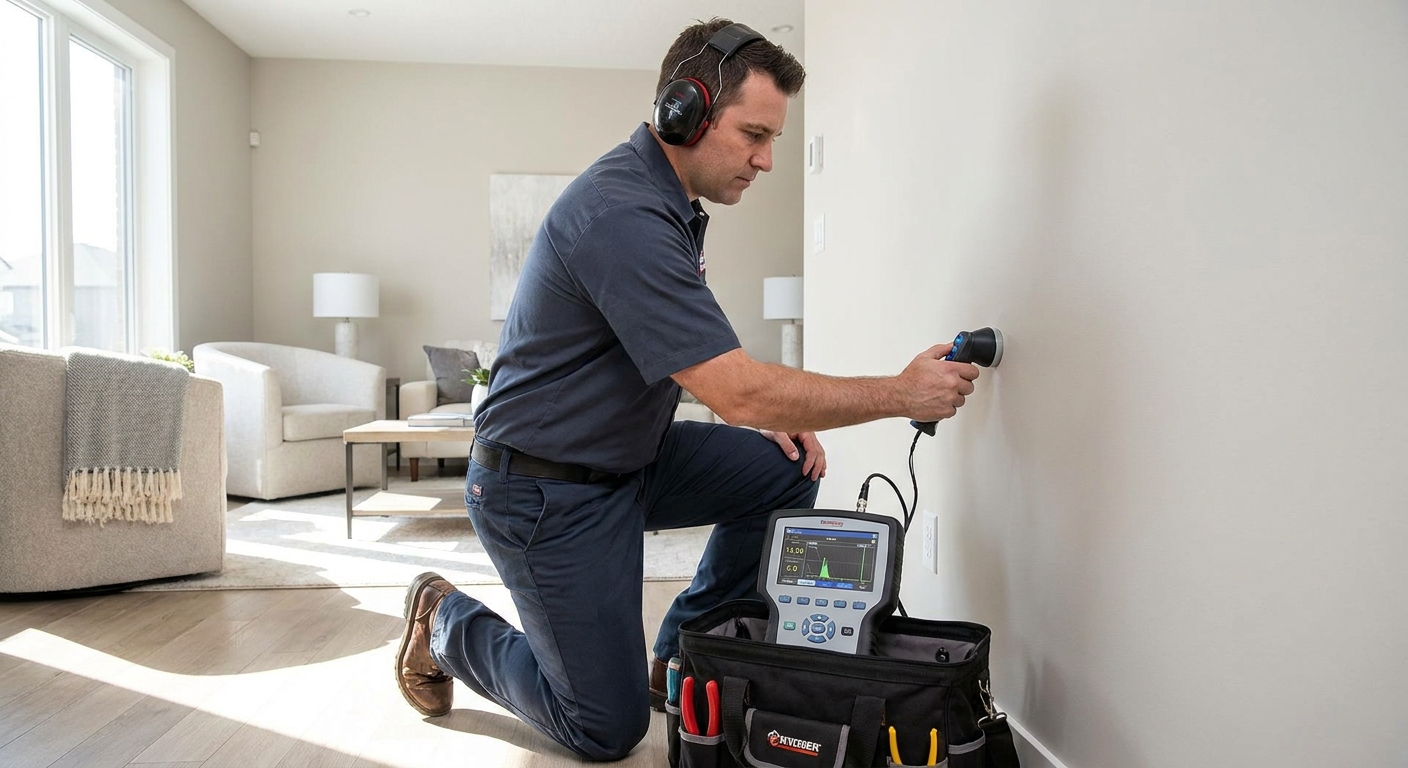
Instead, contact a licensed professional to perform non-invasive, electronic leak detection. Advanced acoustic and thermal imaging equipment can pinpoint the exact location of the compromised pipe. Once the leak is isolated, you can make an informed decision on whether a localized repair or a broader pipe replacement makes the most operational and financial sense.
The Operational Tradeoffs: Patching vs. Repiping
When a hidden leak is finally exposed, property owners face a critical operational decision: do you patch the single leaking section, or do you replace the entire length of the aging pipe? Making the wrong choice can lead to a frustrating cycle of recurring leaks and continuous drywall repairs.
Localized repairs, often called "spot fixes," involve cutting out the damaged section of the pipe and soldering or fitting a new piece into place. This is highly cost-effective in the short term and minimizes immediate disruption to your home. If the leak was caused by an isolated incident—such as an accidental puncture from a nail during a renovation or a single defective fitting—a spot repair is usually the most practical and efficient choice.
However, if the leak is the result of systemic age, corrosion, or shifting soil beneath your Kirkland, WA property, a spot repair is merely a temporary bandage. Older homes in the Eastside area often feature aging galvanized steel or older copper piping that degrades uniformly. If one section has thinned out enough to spring a pinhole leak, the rest of the line is likely in a similar state of deterioration.
In these scenarios, Rooter-Pal Plumbing, LLC recommends evaluating the tradeoff between immediate savings and long-term reliability. Partial or whole-house repiping requires a higher upfront investment and more invasive wall access. Yet, it entirely eliminates the risk of that specific line failing again, protects your property from future water damage, and resets the lifespan of your plumbing system.
Recognizing the Early Warning Signs of Hidden Leaks
Because plumbing systems run behind walls, under floors, and through ceilings, leaks can persist for weeks or months before making themselves obvious. Knowing what to look for can save you thousands of dollars in structural repairs.
Pay close attention to subtle changes in your home's environment. Water naturally follows the path of least resistance, meaning a leak on the second floor might present itself as a stain on the first-floor ceiling, several feet away from the actual pipe.
Here are the most common indicators that you are dealing with a hidden plumbing leak:
Unexplained Water Bill Spikes: If your water usage habits have not changed, but your bill has jumped significantly, you are likely losing water continuously. Musty, Earthy Odors: Hidden moisture creates the perfect breeding ground for mold and mildew. A persistent damp smell that does not go away with ventilation is a major red flag. Changes in Flooring: Hardwood floors that begin to cup or warp, damp spots on carpets, or cracked tiles can indicate a slab leak underneath the foundation. Peeling Paint or Blistering Wallpaper: As drywall absorbs water, the moisture pushes outward, causing paint to bubble and wallpaper to lose its adhesive. The Sound of Running Water:* Hearing a faint hissing or running water sound when all faucets and appliances are turned off is a definitive sign of an active leak.
Common Leak Locations in Kirkland Homes
Understanding where leaks most frequently occur can help you monitor your property more effectively. The architecture and climate of Kirkland, WA, present a few specific vulnerabilities for local plumbing systems.
First, crawlspaces are incredibly common in Pacific Northwest homes. While they provide easy access to plumbing lines, they are also exposed to temperature fluctuations. Uninsulated pipes in a drafty crawlspace can suffer from thermal expansion and contraction, eventually weakening joints and causing slow, steady drips that go unnoticed in the dark.
Second, slab leaks are a severe issue for homes built on concrete foundations. The water lines running beneath the concrete can degrade due to soil shifting, poor installation, or chemical reactions with the soil. When these lines leak, water can erode the dirt supporting your foundation, leading to severe structural instability.
Finally, the spaces behind shower and bathtub enclosures are notorious for hidden leaks. Because these areas are highly waterproofed on the outside, water from a leaking shower valve or a failing drain connection will pool behind the wall or drop into the ceiling below, rotting the wooden studs long before you see a drop of water in the bathroom itself.
Step-by-Step: How to Test Your Water Meter
If you suspect a leak but cannot find any visual evidence, your home's water meter is your best diagnostic tool. Performing a simple water meter test can definitively tell you if water is escaping your closed plumbing system.
Follow these practical steps to check for a hidden leak:
1. Shut Off All Water Sources: Ensure every faucet, shower, dishwasher, washing machine, and irrigation system in your home is completely turned off. Do not flush any toilets during this test. 2. Locate Your Water Meter: In Kirkland, WA, water meters are typically found outside, near the street or sidewalk, housed in a concrete or plastic box set flush with the ground. 3. Check the Leak Indicator: Most modern meters have a small triangular or star-shaped dial called a flow indicator. If this indicator is spinning while all water is shut off, you have an active leak. 4. Record the Numbers: If your meter lacks a flow indicator, write down the exact numbers on the dial. Wait one to two hours without using any water, then check the numbers again. If the numbers have increased, water is escaping the system. 5. Isolate the Location: To determine if the leak is inside the house or in the underground service line, locate your home's main shutoff valve (usually near the water heater or where the pipe enters the house). Turn it off and check the meter again. If the meter stops, the leak is inside. If it keeps running, the leak is in the underground line between the street and your house.
Frequently Asked Questions About Plumbing Leaks
When dealing with the stress of a potential leak, having clear, accurate information is vital. Below, our team at Rooter-Pal Plumbing, LLC answers the most common questions we receive from local property owners.
How do plumbers find leaks without tearing up my walls?
Professional plumbers use non-invasive leak detection technology to minimize property damage. We utilize highly sensitive acoustic listening devices that amplify the sound of water escaping a pipe under pressure. Additionally, thermal imaging cameras can detect temperature anomalies behind drywall, revealing the exact pooling location of cold or hot water.
Is a slab leak considered an emergency?
Yes, a slab leak should always be treated as a plumbing emergency. When water leaks beneath your foundation, it washes away the supporting soil. Over time, this can cause your concrete slab to crack, shift, or collapse, leading to catastrophic structural damage to your home. The longer you wait, the more expensive the foundation repairs will become.
Will my homeowner's insurance cover the cost of a hidden leak?
Insurance coverage depends heavily on your specific policy and the nature of the leak. Generally, homeowner's insurance covers "sudden and accidental" water damage, such as a pipe bursting abruptly. However, if the insurance adjuster determines the leak occurred gradually over months due to a lack of maintenance or deferred repairs, they may deny the claim. We always recommend contacting your insurance agent immediately upon discovering water damage to understand your exact coverage.
How long does it take to repair a pipe behind a wall?
Once the leak is pinpointed, the actual plumbing repair is usually quite swift. A standard spot repair on a copper or PEX line behind drywall can often be completed in a few hours. However, the overall timeline depends on the extent of the water damage. If structural drying, mold remediation, and drywall replacement are necessary, the complete restoration process can take several days.
Can a small drip really cause that much damage?
A leak dripping at a rate of just one drop per second wastes over 3,000 gallons of water a year. Beyond the utility costs, that constant moisture will thoroughly saturate drywall, rot wooden framing, and create an ideal environment for toxic black mold. In plumbing, there is no such thing as a "harmless" leak.
What should I do immediately after discovering a leak?
Your first priority is to stop the flow of water. Locate your home's main water shutoff valve and turn it clockwise until it stops. Next, clear the affected area of any valuable furniture, electronics, or rugs to prevent further damage. Finally, call a professional plumbing service to diagnose and repair the issue safely.
Preventative Maintenance and Future Protection
The best way to handle a plumbing leak is to prevent it from happening in the first place. Proactive maintenance is far less expensive than reactive emergency repairs. By taking a few simple precautions, you can protect your Kirkland property from unexpected water disasters.
One of the most effective preventative measures is managing your home's water pressure. Municipal water pressure can sometimes spike well above safe levels. If your home's water pressure exceeds 80 PSI (pounds per square inch), it puts immense strain on your pipes, joints, and appliance hoses. Having a professional install or test a Pressure Reducing Valve (PRV) ensures your system operates at a safe, consistent pressure.
Consider implementing these additional protective measures:
Install Smart Shutoff Valves: These modern devices monitor your water flow and automatically shut off the main water supply if they detect abnormal usage patterns, stopping major leaks instantly. Replace Rubber Hoses: Swap out the rubber supply hoses on your washing machine and dishwasher with stainless steel braided hoses, which are far less likely to burst. Schedule Annual Inspections: Have a professional evaluate your plumbing system, check your water heater connections, and test your water pressure once a year. Winterize Exterior Pipes: Disconnect garden hoses before the first Kirkland freeze and ensure all exposed pipes in unheated areas are heavily insulated.
Conclusion
Hidden plumbing leaks are stressful, destructive, and costly if left unaddressed. By understanding the early warning signs—from unexplained utility bills to subtle musty odors—you can catch these issues before they compromise the structural integrity of your home. Remember, guessing where a leak is located often leads to unnecessary property damage, which is why relying on professional leak detection technology is always the smartest operational choice.
If you suspect a hidden leak in your home, do not wait for the problem to worsen. The team at Rooter-Pal Plumbing, LLC is ready to help you protect your property with expert detection and reliable repairs. Give us a call today to schedule a comprehensive inspection, and let our experienced technicians restore the safety and integrity of your plumbing system.