How Smart Leak Detection is Reshaping Plumbing and Home Insurance in Kirkland
Need a Reliable Plumber?
Call Us NowThe plumbing industry is undergoing a quiet but massive technological revolution, and it is directly impacting how homeowners protect their properties. For decades, residential plumbing remained relatively unchanged, relying on passive pipes and reactive repairs. Today, the landscape is shifting dramatically.
Driven by rising home insurance premiums and the staggering costs of water damage restoration, the integration of smart plumbing technology is becoming a modern necessity. Property owners are no longer waiting for a pipe to burst or a drain to back up before taking action. Instead, they are turning to proactive, intelligent systems.
This development matters because water damage is consistently one of the most frequent and expensive claims filed by homeowners. As a result, insurance carriers are fundamentally changing how they view residential plumbing risk. Let us explore what this industry shift means for your property and how you can adapt to these new standards.
Short Answer: The Shift Toward Smart Plumbing Protection
The plumbing industry is experiencing a decisive shift where smart water leak detection systems and automatic shutoff valves are transitioning from luxury add-ons to standard requirements for comprehensive home insurance policies. For Kirkland homeowners, this means upgrading your plumbing infrastructure is no longer just about fixing current leaks, but proactively preventing catastrophic water damage before it occurs.
Insurance providers are increasingly offering substantial premium discounts—or in some cases, requiring installation—for homes equipped with whole-house automatic water shutoff devices. These systems monitor water flow in real-time, instantly detect anomalies like a burst pipe or a running toilet, and automatically sever the water supply to prevent flooding.
For property owners, the mandate is clear: investing in smart plumbing technology is a critical operational decision that protects your property value, ensures insurance compliance, and provides absolute peace of mind.
Industry News: Why Insurers Are Pushing for Smart Leak Detection
Over the past few years, the home services and insurance industries have noted a sharp increase in the severity of water damage claims. Supply chain shortages and inflation have driven up the costs of drywall, flooring, and structural repairs. Consequently, a minor plumbing leak that goes unnoticed for a few hours can now result in tens of thousands of dollars in damage.
To mitigate these massive payouts, the insurance industry is heavily incentivizing smart plumbing technology. Major carriers are partnering with plumbing manufacturers to promote devices that can stop a leak the second it starts. This marks a significant departure from traditional plumbing maintenance, which historically relied entirely on visual inspections and routine drain cleaning.
Furthermore, building codes and municipal guidelines are beginning to recognize the value of these systems. While not yet mandatory in every jurisdiction, the trajectory is clear. Modern plumbing is evolving from a purely mechanical system into a connected, monitored network.
The Cost of Inaction
Without intelligent monitoring, a failed washing machine hose or a ruptured water heater can pump hundreds of gallons of water into your home within minutes. By the time you discover the issue, the damage is already done. The industry is moving toward smart shutoff valves precisely because they eliminate this dangerous vulnerability.
How Automatic Water Shutoff Valves Actually Work
Understanding the mechanics behind this industry trend is essential for making informed decisions about your home. Smart leak detection systems generally fall into two categories: localized point-of-use sensors and comprehensive whole-house inline valves.
Localized sensors are small, battery-operated pucks placed near high-risk areas like toilets, water heaters, and under sinks. When moisture touches the sensor, it sends an alert to your smartphone. While helpful, these devices only warn you of a problem; they cannot stop the water flow.
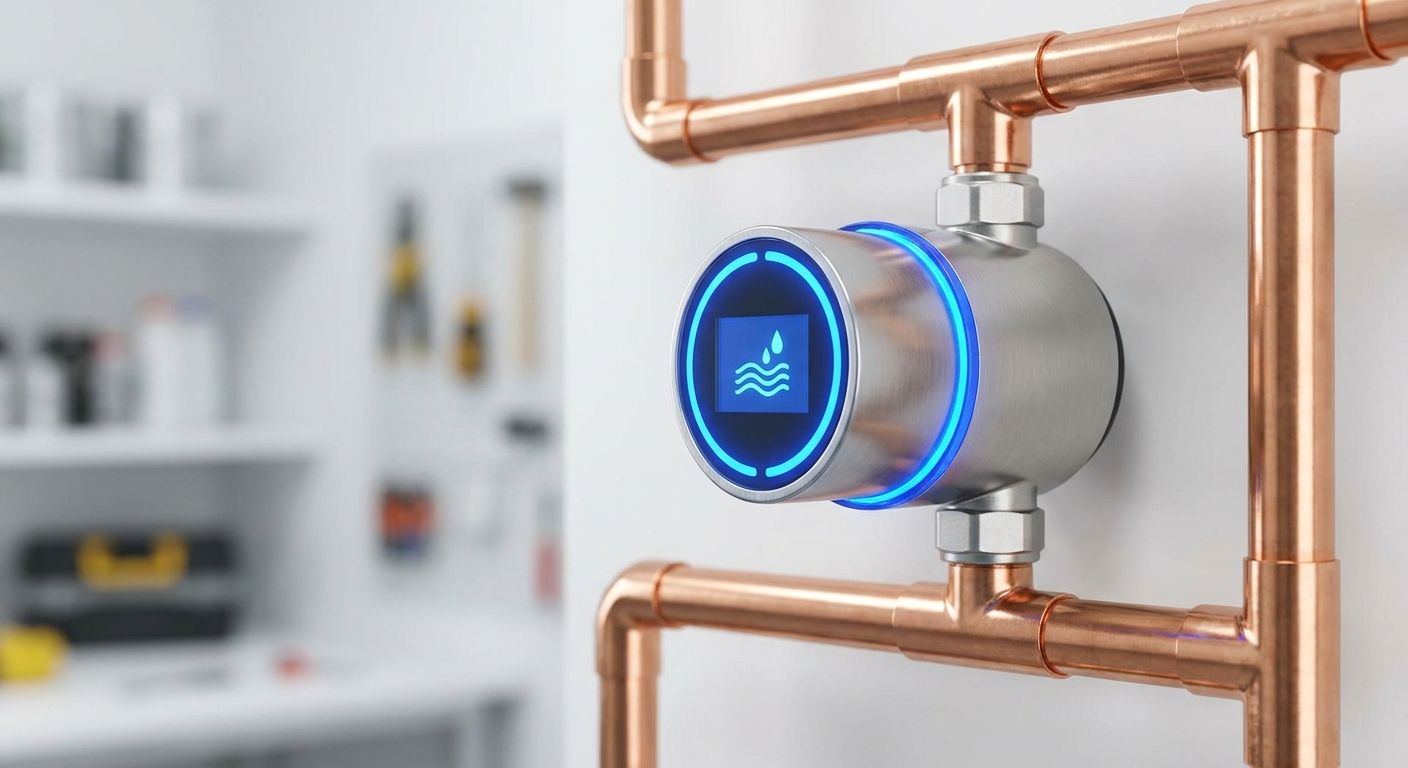
Whole-house automatic shutoff valves represent the gold standard in modern plumbing protection. Installed directly onto your main water line, these sophisticated devices monitor the actual flow of water entering your home.
Core Technologies Driving the Industry
Ultrasonic Flow Monitoring: Advanced systems use ultrasonic waves to measure water flow with extreme precision, detecting even a pinhole leak hidden behind a wall. Algorithmic Learning: The system learns your family's normal water usage patterns over a few weeks. It understands the difference between a long shower and a burst pipe. Automatic Actuators: When an anomaly is detected, a motorized ball valve automatically rotates to shut off the main water supply in seconds. Remote Control: Homeowners can monitor their water usage, check system status, and manually shut off their water from anywhere in the world via a smartphone app.
Operational Tradeoffs: Cost vs. Long-Term Protection
Adopting new plumbing technology requires evaluating specific operational tradeoffs. While the benefits of smart leak detection are substantial, property owners must consider the upfront investment, installation requirements, and ongoing maintenance.
The Financial Investment
The primary tradeoff is the initial cost. Purchasing a high-quality smart shutoff valve and having it professionally installed by a licensed plumber requires a notable upfront investment. Unlike a simple drain cleaning service, this involves cutting into your main water line, installing the device, and ensuring proper electrical and Wi-Fi connectivity.
However, this cost must be weighed against the long-term financial benefits. Many insurance companies offer premium discounts ranging from 5% to 15% for homes with these systems installed. Over a few years, the device often pays for itself. More importantly, it acts as a decisive safeguard against the massive out-of-pocket deductibles and displacement costs associated with severe water damage.
Installation and Infrastructure Requirements
Another critical operational consideration is your home's existing infrastructure. Smart valves require a reliable power source, usually a standard electrical outlet near the main water line. If your main shutoff is located in a crawlspace or an unfinished basement without power, an electrician may need to run a new circuit.
Additionally, these systems rely on your home's Wi-Fi network to send alerts and receive updates. If your main water line is located in a dead zone, you may need to install a Wi-Fi extender to ensure consistent connectivity.
Maintenance and Reliability
While highly reliable, smart plumbing systems are not entirely maintenance-free. They require periodic checks to ensure the motorized valve operates smoothly. Most high-end systems perform automatic self-tests, turning the valve slightly every month to prevent mineral buildup from freezing the mechanism. However, homeowners must still be proactive about replacing backup batteries and keeping their Wi-Fi networks secure.
Expert Perspective: What We See in Kirkland Homes
At Rooter-Pal Plumbing, LLC, we have witnessed firsthand the devastating effects of undetected water leaks in the Kirkland area. Our region features a unique mix of historic properties and rapid new developments. Many older homes on the Eastside still utilize aging galvanized steel or early-generation copper piping, which are highly susceptible to sudden failures.
Our team at Rooter-Pal Plumbing, LLC has found that Kirkland's climate also plays a significant role. During our cold winter snaps, pipes located in uninsulated crawlspaces or exterior walls are prone to freezing and bursting. When the ice thaws, the resulting water flow can destroy a home's lower level in hours.
From our perspective as local industry experts, the transition to smart leak detection is the most impactful plumbing advancement of the decade. We strongly advise our clients to view these systems not as optional gadgets, but as fundamental components of a secure home infrastructure. The peace of mind that comes from knowing your home is actively monitoring its own plumbing system is invaluable.
Actionable Advice: How to Prepare Your Plumbing System
If you are considering upgrading your home to meet these new industry standards, taking a systematic approach ensures you get the right protection for your specific property. Here is a step-by-step process to navigate this transition.
1. Audit Your Existing Plumbing Infrastructure: Locate your main water shutoff valve. Note its accessibility, the material of the surrounding pipes, and whether there is an electrical outlet nearby. 2. Consult Your Insurance Provider: Call your homeowner's insurance agent. Ask specifically about discounts available for installing a whole-house automatic water shutoff valve. Request a list of their approved or preferred device manufacturers. 3. Evaluate Your High-Risk Areas: Identify the most vulnerable points in your home. Older water heaters, second-floor laundry rooms, and aging refrigerator ice maker lines are prime candidates for localized sensor placement in addition to a main shutoff valve. 4. Schedule a Professional Assessment: Contact a licensed plumbing professional to evaluate your main water line. They can determine the appropriate valve size and identify any necessary pipe modifications required for installation.
Common Mistakes to Avoid
When adopting this technology, be careful to avoid these frequent pitfalls:
Attempting a DIY Installation: Cutting into your main water line and installing a motorized valve requires professional expertise. Improper installation can lead to severe leaks or restricted water pressure. Ignoring Wi-Fi Requirements: Purchasing a high-end smart valve is useless if it cannot connect to your home network. Always verify signal strength at the installation site beforehand. Neglecting System Calibration:* Failing to properly calibrate the system to your family's water usage can result in annoying false alarms and unnecessary water shutoffs.
The Future of Residential Plumbing on the Eastside
As we look ahead, the integration of technology and traditional plumbing will only accelerate. We anticipate that within the next decade, building codes may mandate smart leak detection for all new residential construction. Furthermore, predictive maintenance—where your plumbing system alerts you to a failing pipe before it actually breaks—will become the industry standard.
For homeowners and businesses in Kirkland and the surrounding Eastside communities, staying ahead of this curve is a strategic advantage. Upgrading your plumbing infrastructure today protects your property value, satisfies evolving insurance requirements, and prevents the emotional and financial toll of severe water damage.
Rooter-Pal Plumbing, LLC remains committed to bringing the highest standards of plumbing innovation to our local community. We continuously monitor industry trends to ensure our clients receive the most effective, reliable, and advanced solutions available on the market.
If you are ready to modernize your home's plumbing defenses or have questions about how a smart leak detection system would integrate with your current infrastructure, we are here to help. Contact Rooter-Pal Plumbing, LLC today to schedule a comprehensive consultation with our expert team. Give us a call, and let us help you protect your home with confidence.