Spring Plumbing Preparation: Protecting Your Kirkland Property from Seasonal Hazards
Need a Reliable Plumber?
Call Us NowSpring in the Pacific Northwest brings blooming landscapes, warmer weather, and heavier rains to Kirkland. However, this beautiful seasonal shift also triggers specific vulnerabilities within your residential plumbing system. As the ground thaws and vegetation enters its rapid growth phase, your pipes face a completely new set of environmental pressures.
Preparing your plumbing for spring is not just about convenience; it is a critical step in protecting your property value. Many homeowners falsely believe that surviving the freezing winter means their plumbing is safe. In reality, spring is often the season when winter's hidden damage finally reveals itself.
Taking a proactive approach to seasonal maintenance prevents minor issues from escalating into catastrophic property damage. By understanding the specific threats your system faces during this time of year, you can make informed, cost-effective decisions.
Short Answer
Spring plumbing maintenance requires a proactive transition strategy focusing on three critical areas: identifying winter freeze damage in outdoor fixtures, defending sewer lines against aggressive tree root intrusion, and managing excess groundwater. Homeowners must inspect hose bibs for hidden leaks, clear perimeter drainage, and schedule professional camera inspections if drains show early signs of slowing.
Acting before the heavy spring rains peak prevents minor seasonal vulnerabilities from escalating into severe water damage. If you suspect any winter damage or notice multiple slow drains, you must contact a professional immediately to assess the structural integrity of your system. Delaying these vital inspections often leads to raw sewage backups or flooded interior wall cavities.
Why Spring is a Critical Season for Kirkland Plumbing
The transition from winter to spring in Kirkland, WA, creates a unique stress test for your home's infrastructure. Months of near-freezing temperatures, occasional snow, and persistent rain leave the ground highly saturated. When temperatures finally rise, the soil shifts, expanding and contracting around your buried water and sewer lines.
The Impact of the Pacific Northwest Climate
This geological movement can easily compromise aging pipe joints or exacerbate existing micro-fractures in your plumbing. Furthermore, the Eastside is famous for its lush, aggressive spring vegetation. As dormant trees and shrubs wake up, their root systems actively seek out oxygen, nutrients, and moisture.
Your underground sewer line provides an abundant, continuous supply of all three essential elements. Without proactive maintenance, these natural seasonal shifts can quickly turn into expensive plumbing emergencies. Understanding this local environmental context is the first step in defending your home.
Season-Specific Issues: The Hidden Dangers of Spring
The most insidious plumbing problems often remain completely hidden until the changing season exposes them. Homeowners frequently discover that severe damage actually occurred months ago during a winter freeze. Understanding these specific seasonal threats allows you to catch them before they cause significant property damage.
The Thaw Reveals the Flaw: Frost-Damaged Hose Bibs
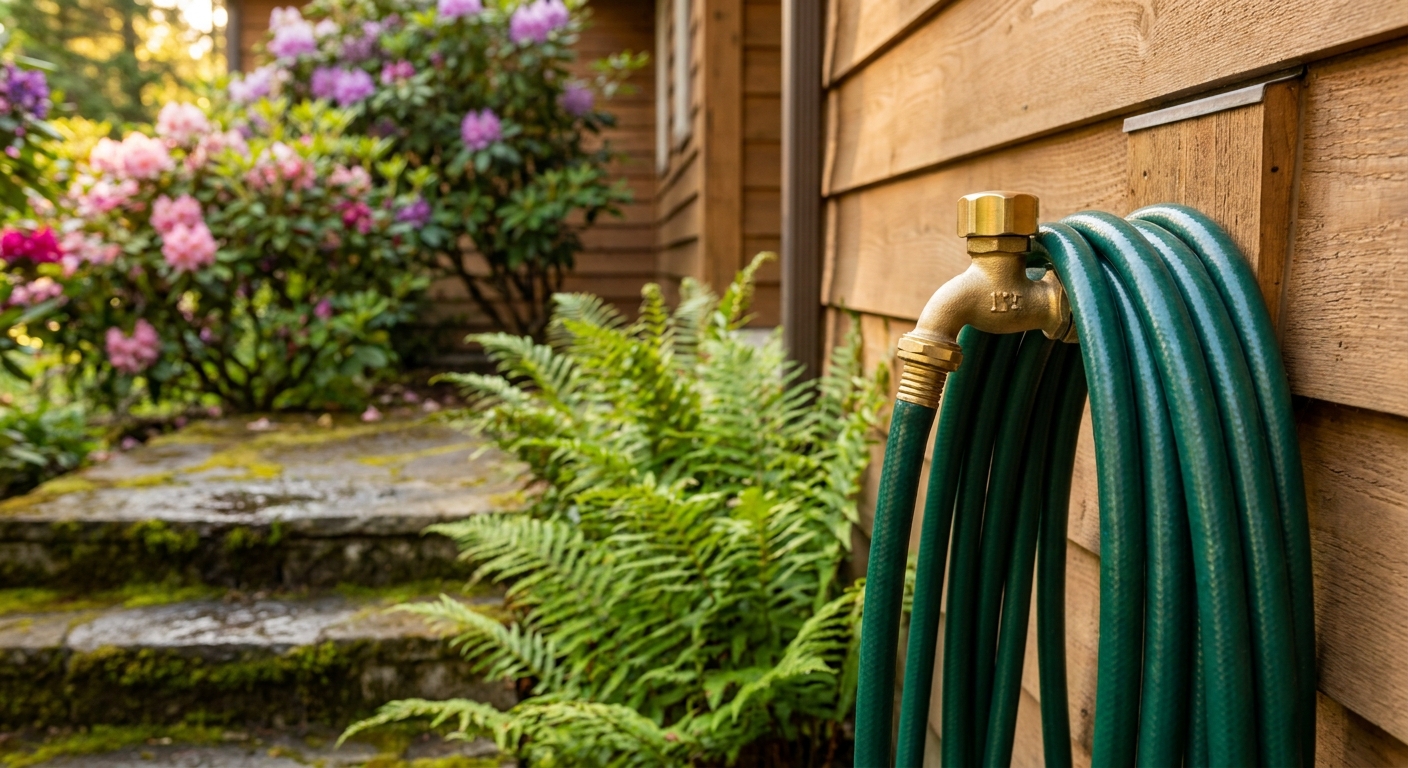
During a harsh Kirkland winter, water trapped inside an outdoor spigot can freeze and expand, cracking the brass or copper fitting. Because the pipe remains frozen or unused for the rest of the winter, the homeowner remains unaware of the structural failure. The true disaster strikes on the first warm spring day when you turn on the hose to wash your car or water the garden.
When the valve opens, water rushes past the internal cracked section, flooding the interior wall cavity of your home. This scenario often results in severe water damage to drywall, insulation, and flooring before the homeowner even realizes what has happened. Testing these fixtures early is absolutely paramount.
Aggressive Tree Root Intrusion
Spring is the peak season for tree root intrusion in residential sewer lines. Older Kirkland neighborhoods often feature mature trees planted near original concrete or clay sewer laterals. As these trees enter their spring growth spurt, microscopic feeder roots detect the warm, nutrient-rich vapor escaping from loose pipe joints.
Once inside the pipe, these roots multiply rapidly, creating a dense, net-like blockage. This living obstruction catches grease, toilet paper, and organic waste, eventually leading to a complete sewer backup. Root intrusion is one of the leading causes of property damage during the spring months.
Spring Plumbing Preparation Guide: Your Essential Checklist
Taking a proactive approach to your spring plumbing maintenance can save you thousands of dollars in emergency repairs. We have developed a comprehensive checklist specifically tailored for properties in our local service area. Follow these steps to ensure your system is ready for the warmer months.
1. Perform the Thumb Test on Outdoor Spigots: Turn on your exterior hose bib and place your thumb firmly over the water flow. If you can easily stop the water pressure with your thumb, you likely have a hidden leak inside the wall caused by winter freezing. Give us a call immediately to inspect the line. 2. Inspect Exposed Pipes in Basements and Crawlspaces: Take a flashlight and physically examine any visible plumbing lines under your home. Look for green oxidation on copper pipes, white chalky buildup on galvanized lines, or unexplained damp spots on the soil. 3. Clear Gutter Downspouts and Perimeter Drains: Ensure that all roof runoff is directed at least five feet away from your foundation. Saturated soil near the foundation puts immense hydrostatic pressure on your plumbing penetrations and basement walls. 4. Monitor Your Water Meter for Silent Leaks: Turn off all water fixtures inside and outside your home. Check the leak indicator dial on your main water meter; if it is spinning, you have an active, hidden leak that requires immediate professional attention. 5. Exercise Your Main Water Shut-Off Valve: Locate your home's main water shut-off valve and ensure it turns smoothly. In the event of a spring plumbing emergency, knowing how to quickly isolate your water supply is your first line of defense. 6. Clean Your Shower and Sink Aerators: Mineral buildup from winter water usage can clog aerators, reducing your water pressure. Unscrew them and soak them in white vinegar to restore optimal flow. 7. Check Washing Machine Hoses: Spring is an excellent time to inspect the rubber hoses connecting your washing machine. If you notice any bulging, cracking, or stiffness, replace them with steel-braided hoses to prevent catastrophic flooding.
Preventive Measures: Defending Your Home's Infrastructure
Beyond simple inspections, active prevention is the key to maintaining a robust plumbing system. Proper maintenance extends the lifespan of your fixtures and ensures reliable performance during high-usage summer months. Implementing these preventive measures will secure your property against common seasonal failures.
Schedule a Preventive Camera Inspection: Having a professional run a high-definition camera down your main sewer line identifies early-stage root intrusion before it causes a backup. Install Mesh Drain Catchers: Spring cleaning often means washing away more debris, pet hair, and dirt. Using inexpensive mesh catchers in your tubs and showers prevents this debris from forming stubborn clogs. Maintain Your Garbage Disposal: Spring brings fresh produce, which often leads to fibrous vegetable peels entering the disposal. Always run cold water before, during, and after operating the disposal to flush debris completely through the system. Clear the HVAC Condensate Line: As you prepare to turn on your air conditioning for the warmer months, ensure the condensate drain line is clear. A clogged condensate line will back up and cause indoor water damage that mimics a plumbing leak. Test Your Sump Pump System:* Spring rains can quickly overwhelm perimeter drainage systems. Pour a bucket of water into your sump pit to ensure the float switch activates and the pump discharges water correctly.
Operational Tradeoffs: Choosing the Right Root Mitigation Strategy
When dealing with tree root intrusion, homeowners face a critical decision regarding how to manage the blockage. Understanding the operational tradeoffs between different mitigation strategies ensures you choose the most cost-effective and permanent solution. You must weigh the severity of the blockage against the cost and speed of the treatment.
Chemical root inhibitors, such as copper sulfate or foaming herbicidal agents, offer a low-cost, non-invasive treatment option. These chemicals coat the inside of the pipe, killing the existing roots and deterring future growth. However, chemical treatments take weeks to work, cannot clear an active, solid blockage, and may not reach roots entering from the top of the pipe.
Mechanical clearing, utilizing professional hydro-jetting, provides immediate restoration of pipe flow. High-pressure water safely slices through thick root masses and scours the pipe walls clean. While mechanical clearing requires a higher initial investment than chemical treatments, it is far more effective for severe blockages.
Our team at Rooter-Pal Plumbing, LLC has found that combining a thorough mechanical hydro-jetting service with a follow-up chemical treatment provides the most robust defense for aging Kirkland sewer lines. This hybrid approach removes the immediate threat while providing long-term deterrence.
The Financial Impact of Deferred Spring Maintenance
Ignoring seasonal plumbing maintenance is a high-risk gamble that rarely pays off for homeowners. The cost of a preventive inspection is exponentially lower than the price of mitigating severe water damage. When a compromised hose bib bursts inside a wall, the resulting damage requires drywall replacement, insulation removal, and professional mold remediation.
Similarly, allowing tree roots to grow unchecked in your sewer line eventually causes the pipe to collapse entirely. Replacing a collapsed sewer lateral involves heavy excavation, landscape destruction, and significant municipal permitting fees. By investing in routine spring maintenance, you protect your property from these devastating financial surprises.
Insurance companies are also becoming increasingly strict regarding claims caused by neglected maintenance. If an adjuster determines that a leak was caused by long-term negligence rather than a sudden failure, they may deny your claim. Maintaining a documented history of professional plumbing inspections is your best defense against rejected insurance claims.
When to Act: Creating a Proactive Maintenance Timeline
Timing is everything when it comes to seasonal home maintenance. Waiting until you experience a visible problem often means the damage has already compromised your home's infrastructure. You must learn to recognize the subtle warning signs that demand immediate action.
If you notice multiple drains in your home slowing down simultaneously, this is a massive red flag indicating a mainline restriction, likely from spring root growth. Do not ignore gurgling sounds coming from your toilet when you run the bathroom sink. These sounds indicate that your plumbing vent system is struggling to breathe due to a downstream blockage.
Additionally, if you experience a sudden, unexplained spike in your monthly water bill, treat it as an active emergency. Rooter-Pal Plumbing, LLC recommends contacting a professional the moment you notice these early warning signs. Addressing a slow drain in early spring is significantly cheaper and less stressful than dealing with a raw sewage backup during a holiday weekend.
Conclusion
Transitioning your home from winter to spring requires vigilance, proactive maintenance, and a clear understanding of seasonal plumbing threats. By inspecting your outdoor fixtures for freeze damage and defending your sewer lines against aggressive tree roots, you safeguard your Kirkland property. Do not let minor seasonal vulnerabilities turn into major structural disasters.
Whether you need a preventive sewer camera inspection or suspect a hidden leak in your outdoor plumbing, our expert technicians are ready to help. At Rooter-Pal Plumbing, LLC, we possess the local expertise and advanced equipment necessary to keep your home's plumbing running flawlessly year-round. Give us a call today to schedule your comprehensive spring plumbing evaluation and secure your peace of mind.