Understanding Trenchless Sewer Line Repair for Your Kirkland Home
Need a Reliable Plumber?
Call Us NowKirkland is renowned for its beautiful neighborhoods, lush Pacific Northwest landscapes, and mature trees. However, these same beautiful trees possess extensive root systems that constantly seek out underground moisture. For many homeowners, this natural process inevitably leads to roots infiltrating aging underground plumbing, causing severe blockages and structural damage. Historically, fixing these subterranean issues required destructive excavation that ruined driveways, destroyed pristine gardens, and turned residential properties into messy construction zones.
Fortunately, modern plumbing technology offers a superior alternative. Trenchless sewer repair has revolutionized how the industry addresses compromised underground pipes. This advanced methodology allows technicians to rehabilitate or completely replace failing infrastructure with minimal surface disruption. If you are experiencing recurring backups, foul odors, or slow drains, understanding this innovative service can save you significant time, stress, and landscape restoration costs.
Short Answer: What is Trenchless Sewer Repair?
Trenchless sewer repair is a minimally invasive plumbing technique used to rehabilitate or replace damaged underground sewer pipes without requiring extensive surface excavation. By utilizing existing access points or creating small, targeted entry holes, professionals insert an epoxy-saturated liner or pull a new high-density pipe through the old one.
This technology creates a structurally sound, permanent solution that restores optimal flow while preserving your landscaping, driveway, and hardscaping. Rooter-Pal Plumbing, LLC utilizes these advanced trenchless methods to resolve severe root intrusions, pipe corrosion, and structural cracks swiftly and effectively for property owners throughout Kirkland, WA.
What's Included in Our Trenchless Sewer Services
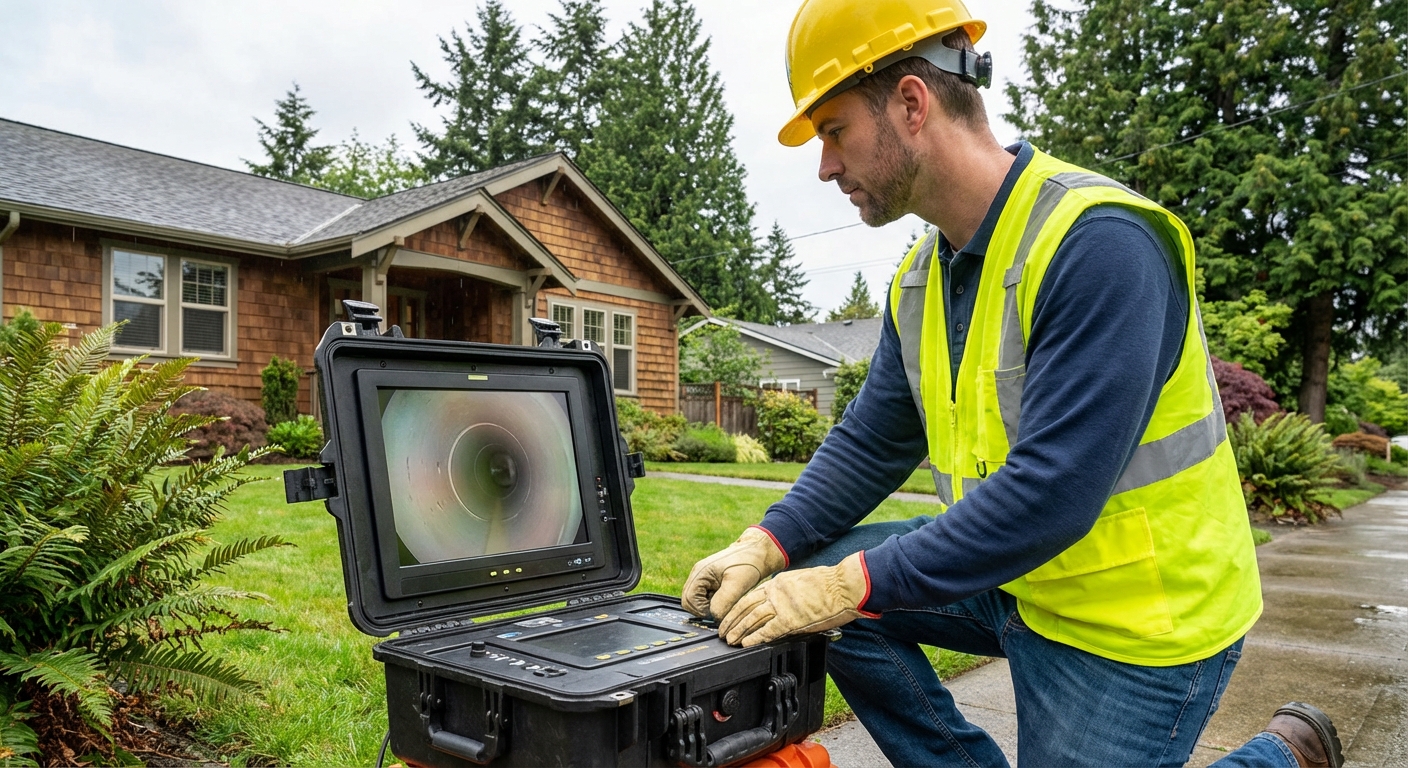
When you secure trenchless sewer services, you are investing in a comprehensive, high-tech plumbing solution. The process begins long before any new pipe goes into the ground. Our team at Rooter-Pal Plumbing, LLC starts with advanced diagnostics. We utilize high-definition fiber-optic cameras to inspect the interior of your lateral lines. This visual assessment pinpoints the exact location, nature, and severity of the pipe damage.
Following the diagnostic phase, the service includes intensive pipe preparation. Trenchless technology requires a clean host pipe to ensure proper adhesion or clearance. We deploy commercial-grade hydro jetting equipment or mechanical descaling tools to strip away years of accumulated grease, mineral deposits, and invasive tree roots. This preparation restores the original diameter of the pipe as much as possible.
Finally, the service includes the actual trenchless installation, utilizing either Cured-In-Place Pipe (CIPP) lining or pipe bursting methods. CIPP involves inserting a flexible, resin-coated tube into the damaged pipe, which is then inflated and cured to form a "pipe within a pipe." Pipe bursting, conversely, involves pulling a conical bursting head through the old pipe, shattering it outward while simultaneously pulling a brand-new High-Density Polyethylene (HDPE) pipe into the resulting cavity. Both methods conclude with a final video inspection to verify structural integrity and optimal flow.
The Trenchless Process: Step-by-Step
Understanding the exact workflow helps demystify the trenchless repair process. While every property in Kirkland, WA presents unique geographical challenges, the core methodology follows a strict, quality-controlled sequence.
1. Comprehensive Video Inspection: Technicians insert a specialized camera into the sewer cleanout. This provides a real-time, interior view of the pipe, allowing experts to measure the pipe's length, diameter, and the exact location of structural failures. 2. Sewer Line Cleaning and Descaling: Using high-pressure water jets or specialized cutting heads, the team clears all obstructions. Removing roots, scale, and debris is mandatory to prepare the host pipe for the incoming liner or bursting equipment. 3. Access Point Preparation: While "trenchless" means minimal digging, technicians typically need one or two small access pits. These are usually located at the property line and near the foundation, minimizing surface disruption. 4. Material Preparation and Installation: For pipe lining, the felt liner is saturated with a specialized two-part epoxy resin. It is then inverted or pulled into the host pipe and inflated with air or water pressure. For pipe bursting, the heavy-duty winch is set up to pull the bursting head and new HDPE pipe through the old line. 5. Curing and Curing Verification: If lining is used, the epoxy must cure. This can be accelerated using steam, hot water, or UV light. Once fully hardened, the new pipe is structurally independent. 6. Final Inspection and Reconnection: A second camera inspection verifies the quality of the installation. Finally, technicians reinstate any lateral branch lines and reconnect the main system to the municipal sewer.
Operational Tradeoffs: Trenchless vs. Traditional Excavation
Choosing the right repair method requires evaluating specific operational tradeoffs and decision criteria. Trenchless technology is highly versatile, but it is not a universal solution for every plumbing catastrophe. Understanding these decision criteria ensures you select the most appropriate intervention for your property.
Trenchless repair excels in scenarios where surface preservation is paramount. If your sewer line runs beneath a custom driveway, a mature retaining wall, or a beloved garden, the trenchless method is undeniably superior. It mitigates the collateral damage associated with heavy excavation equipment. Furthermore, trenchless methods typically require fewer labor hours, meaning your plumbing system is offline for a fraction of the time compared to traditional digging.
However, traditional excavation remains necessary under specific conditions. If a sewer pipe has completely collapsed, severely bellied (sagged), or lost its structural grade, trenchless lining cannot correct the slope. A liner will simply follow the incorrect slope of the existing pipe, failing to resolve standing water issues. In these severe cases, traditional excavation is mandatory to physically remove the compromised section, re-bed the trench, and establish the proper gravitational pitch required by local plumbing codes.
Key Benefits of Trenchless Pipe Repair
When property owners evaluate their options, the advantages of modern trenchless technology quickly become apparent. Rooter-Pal Plumbing, LLC highly recommends this approach for eligible properties due to its overwhelming long-term value.
Preservation of Property Value: By eliminating the need for massive trenches, you protect expensive landscaping, hardscaping, and mature trees from destruction. Superior Material Durability: Both CIPP liners and HDPE pipes are highly resistant to corrosion, shifting soils, and future root intrusion. These materials are engineered to last for decades. Faster Project Completion: Many trenchless projects are completed in a single day, drastically reducing the time your household is without essential water and sewer services. Improved Flow Capacity: The smooth interior of epoxy liners and HDPE pipes reduces friction. Even though lining slightly reduces the internal diameter, the improved surface often increases overall flow efficiency. Cost-Effective Long-Term Investment:* While the upfront technological costs can be higher, eliminating the need to rebuild driveways or re-landscape yards makes trenchless repair highly economical overall.
Factors Influencing Trenchless Sewer Repair Costs
Every home-services project requires a clear understanding of the financial investment. While we provide precise estimates after a thorough inspection, several distinct variables influence the final scope and cost of a trenchless repair project.
The total length of the pipe requiring rehabilitation is the primary cost driver. Longer runs require more epoxy resin, longer liners, or more extensive HDPE piping. Additionally, the diameter of the pipe impacts material costs; standard residential lines are typically four to six inches, but larger commercial lines require substantially more material.
The accessibility of the existing sewer cleanouts also plays a critical role. If your property lacks an accessible exterior cleanout, technicians must excavate a small access pit to deploy the equipment. The depth of the sewer line further influences this factor. Pipes buried exceptionally deep require more labor and specialized shoring to safely establish these access points.
Finally, the chosen methodology affects the investment. Pipe bursting often requires slightly different equipment staging than CIPP lining. The condition of the host pipe dictates which method is viable. Rooter-Pal Plumbing, LLC meticulously evaluates these variables to provide transparent, accurate assessments tailored to your specific infrastructure.
Professional Service vs. DIY Solutions
In the era of online tutorials, many property owners attempt to resolve complex household issues independently. However, when dealing with subterranean sewer lines, professional intervention is an absolute necessity. Attempting DIY repairs on main lateral lines poses severe risks to your property, your health, and the municipal infrastructure.
Sewer line diagnostics and repair require highly specialized, expensive equipment. Consumer-grade drain snakes available at local hardware stores are insufficient for clearing heavy root intrusions and can easily become permanently lodged in compromised pipes. Furthermore, pouring harsh chemical drain cleaners into a failing pipe accelerates corrosion and degrades the remaining structural integrity, turning a repairable pipe into a mandatory excavation project.
Beyond equipment, sewer repair involves strict adherence to local building codes and environmental regulations. Improperly handling raw sewage creates hazardous biological conditions on your property. Professional technicians possess the licensing, training, and heavy-duty equipment required to execute these repairs safely. Rooter-Pal Plumbing, LLC ensures all trenchless repairs meet or exceed the stringent plumbing codes enforced in Kirkland, WA, guaranteeing a safe, compliant, and permanent resolution.
Frequently Asked Questions About Pipe Lining and Bursting
Property owners understandably have questions when considering advanced plumbing technologies. Here are some of the most common inquiries our technicians address in the field.
How long does a trenchless sewer repair last? The materials used in modern trenchless repairs are exceptionally durable. Both Cured-In-Place Pipe (CIPP) liners and High-Density Polyethylene (HDPE) bursting pipes have an estimated lifespan of 50 years or more. They are highly resistant to the corrosion and root intrusion that plague older clay, cast iron, or Orangeburg pipes.
Will pipe lining reduce the size of my sewer line? Yes, CIPP lining does fractionally reduce the internal diameter of the pipe by a few millimeters. However, this reduction does not negatively impact performance. In fact, the new epoxy surface is significantly smoother than aging cast iron or clay, which typically improves the overall flow rate and reduces the likelihood of future clogs.
Is trenchless repair approved by local municipalities? Absolutely. Trenchless sewer repair is a widely accepted and highly regulated plumbing practice. It meets the rigorous structural and environmental standards required by local building departments. Our team ensures that all necessary permits are pulled and that the final installation passes municipal inspection.
Securing Your Plumbing Infrastructure
Dealing with a failing sewer line is a stressful experience for any property owner. The fear of extensive property damage, foul odors, and prolonged service interruptions can be overwhelming. However, understanding the capabilities of trenchless sewer repair empowers you to make informed, highly effective decisions for your home. By choosing minimally invasive technologies, you protect your landscaping, save valuable time, and secure a durable plumbing infrastructure that will perform reliably for decades.
Do not wait for a complete pipe collapse to address slow drains or recurring backups. Proactive diagnostics are the key to preserving your options. If you suspect your underground pipes are compromised by root intrusion or age, reach out to the experts. Give us a call at Rooter-Pal Plumbing, LLC today to schedule a comprehensive video inspection. Our dedicated team is ready to provide the advanced trenchless solutions your Kirkland home deserves.